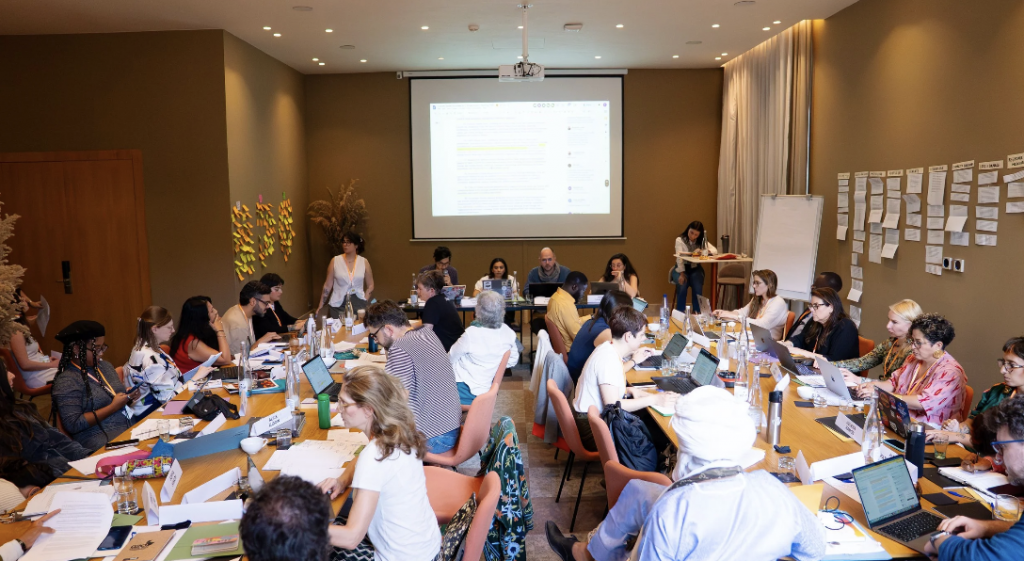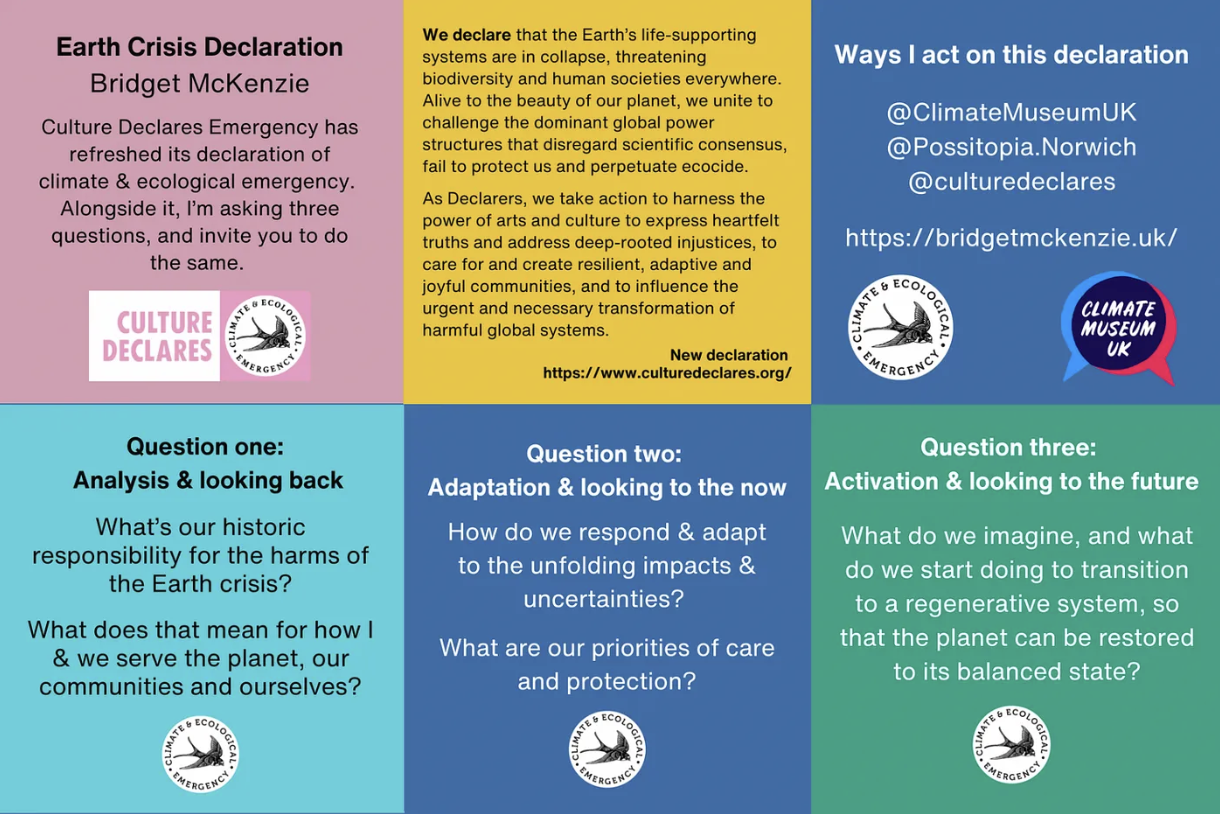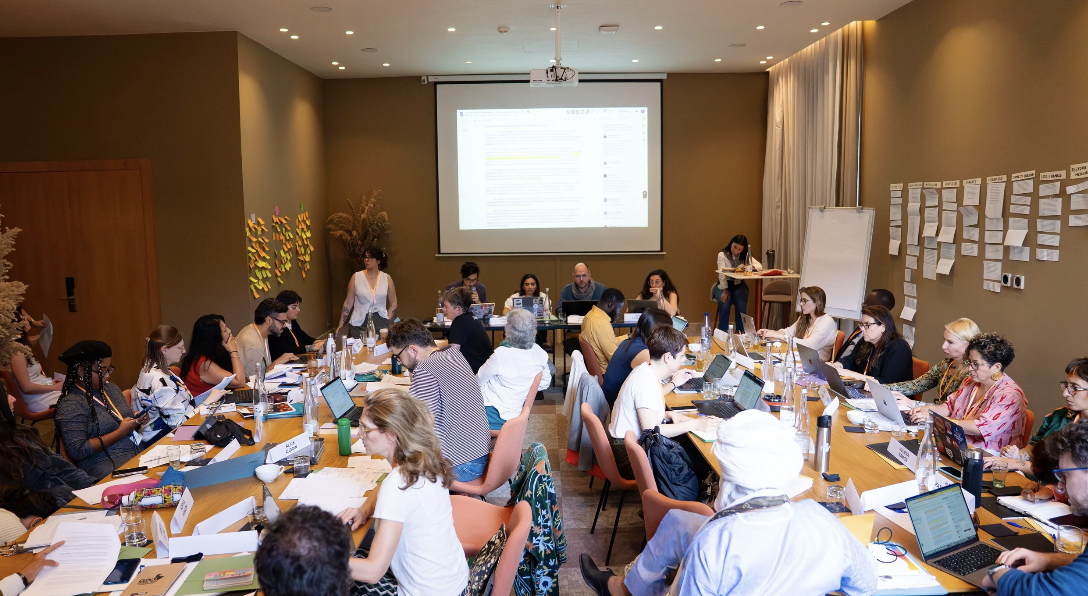
I’m sharing my response to the Cultural Global Stocktake, which is a global, participatory process to assess how culture is already contributing to climate action ﹣and how it could do much more.
In UN climate terms, a Global Stocktake is how the world collectively checks progress on the Paris Agreement. The first Global Stocktake concluded at COP28. But there’s a major gap: culture is still largely absent from climate policy frameworks, despite shaping values, behaviours, narratives, and systems of care.
I’ve used this consultation to share some of the points I’ve made in my paper, Growing an Effective Earth Crisis Response in the Cultural Sector.
I encourage you to add your own voice to the CGS consultation, and hope you find my contribution helpful!
Context and Framing
We should address the Earth Crisis as a whole, not just Climate, and Cultural engagement is crucial for whole-system solutions.
The challenge facing humanity is described in Doughnut Economics as ‘meeting the needs of people within the limits of the planet’. However, these limits are significantly breached, complicating the task of living within them. For a more alert and full-spectrum response to the Earth Crisis, we might describe the grand challenge as:
- meeting the needs of people and their biodiverse kin
- …with reparative justice that recognises the trauma of colonised, exploited and displaced people
- …while restoring carbon sinks and other Earth systems
- …while being resilient to the unfolding impacts of the breaching of planetary limits.
The Cultural dimension is overlooked. Environmental issues are seen as separate from human issues and therefore as less immediate or compelling to people. Human interdependence on Earth systems is too often ignored, as a feature of the extractive economic system (embedded through centuries of plantation colonialism). Indeed, environmental decisions are systemic decisions on every topic, beyond only the most trivial.
A significant gap is in the role of Culture for resilience and adaptation to Earth Crisis impacts
These have not been prioritised in the UK in most civic, professional and business sectors. Leaders have little grasp of the urgent need for strategies for human and multi-species survival in the face of ecological overshoot and social shortfall. In keeping with this, the Cultural sector overall fails to demonstrate adequate alertness in response to the Earth Crisis. It is true that the sector is taking sustainability more seriously and is starting to make practical plans for Earth Crisis adaptation. However, we are not seeing an alert, full-spectrum and systemic response.
The urgent tasks are to protect heritage and reimagine culture
The tasks are enormous in the face of ecological collapse and authoritarian, war-making governments. They include protecting sacred natural and cultural heritage, and building a regenerative culture and global economic system. The current tendency is to continue Business As Usual with slightly reduced footprints
This moment can be framed as a ‘disruption nexus’ that makes many alternatives possible. This is a time when people can and must begin to collaborate for the safety and resilience of vulnerable and affected people and species. The cultural sector can play a leading role in imagining alternatives, shaping narratives, and supporting communities in the face of great challenges. This indicates the potential of Cultural Environmental Responsibility.
A.2 Context and Cross-Cutting Considerations
Regenerative culture is under attack
Ecological values underpin a regenerative mindset, yet recovery of this mindset is at risk due to threats to indigenous cultures and land stewardship in places, cuts to public cultural provision, and the immense power of extractive lobbies to influence our media.
If Culture is to play its role in a reparative, regenerative transition, there should be prioritisation for skills in public engagement
These skills include:
- Collaboration with social and environmental sectors
- Place-based change-making in inclusive ways
- Creative therapeutic practices, to help communities deal with uncertainty and losses
- Ecological and systemic thinking embedded in media, advertising and communications
- Immersive imagination practices.
We need support for advocacy for the integrated roles of culture, focused on an Earth Crisis response
This includes demonstrating how culture plays roles in much broader ways than is commonly understood. It goes beyond just what is called Inner Work or Inner Resilience. It includes highly practical skills for crafting, ecological design, nature restoration, creative activism, and relational organising. Culture’s value lies across hearts, heads and hands — or an integration of Inner and Outer Resilience.
Collective Progress Toward the Paris Agreement’s Long-Term Goals
B.1 Mitigation
The most urgent and overlooked aspect of mitigation lies in the role of culture and creative industries to bring about systemic planet-wide transformation.
However, cultural sector institutions are entangled with the systems that promote or benefit from harms such as inequality, over-consumption and extraction.
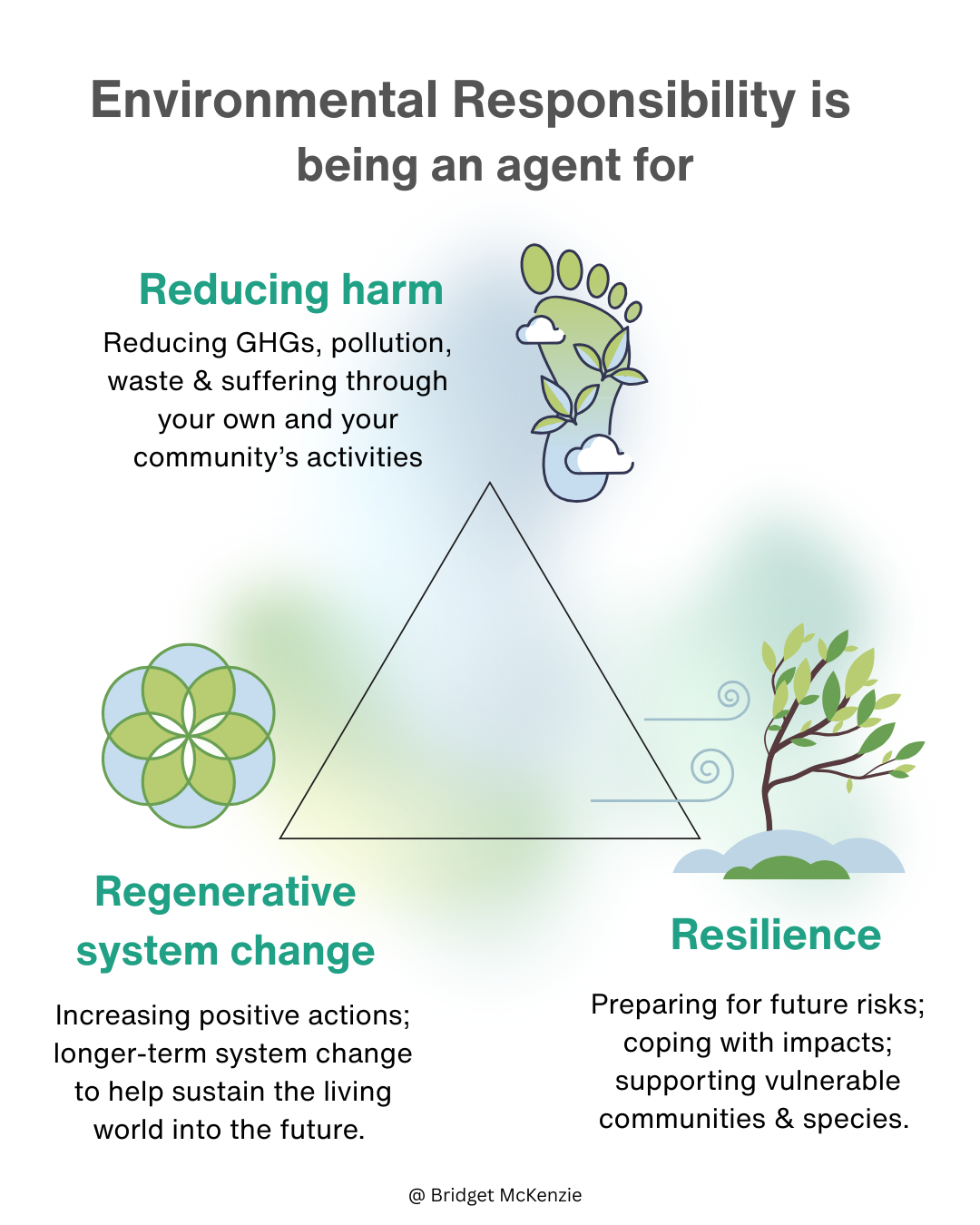
A broader approach to mitigation is needed: Ending cultural activities and entanglements that cause harm and suffering — including greenhouse gas emissions (GHGs), animal harm, ecosystem damage, waste, and unethical and exploitative practices and supply chains.
B.2 Adaptation
Systemic planet-wide transformation includes both mitigation and adaptation. Mitigation and adaptation are not opposites. Transformational adaptation includes ending the proliferation of fossil fuels and the destruction of carbon sinks.
- Cultural engagement can communicate stories about this transformation and demonstrate its possibilities. It can inspire the imagination of alternative life-ways, to motivate a transition to a regenerative industry, agriculture and economy.
- It can help shift the framing of human-nature relations to create conditions that will restore carbon sinks & biodiversity.
- Cultural spaces and practitioners can contribute their assets for community safety and resilience in the face of Earth Crisis impacts.
Finance and Implementation
C.1. Finance
Based on experience in the UK, there is inadequate public funding and resources to respond to Earth Crisis impacts. Resources across all civic sectors do not match the level of public concern and need.
The UK’s cultural sector is so underfunded that it tends to look inwards and to defend its value based on existing framings of entertainment and contributions to the economy. The sector is forced to play subservient roles in two ways:
- To justify its value by measures of reach to demographic groups that are disadvantaged by the gross social inequalities created by the global economic system and collapsing ecosystems.
- To pander to corporate sponsors and lobbies that want to sustain the harmful system.
Existing funds for either culture or environment work are too siloed and limited. There is very little funding for work at the intersection of these. Cultural projects addressing environmental issues are rejected for not being practical or technical enough.
Funding is competitive, low-budget and short-term, so there is no support for culture-led programmes that dismantle harmful systems and build regenerative alternatives.
C.2. Technology Development and Transfer
I do not have the expertise to provide a useful statement here.
C.3. Capacity Building
Governments have not supported and valued the transformative role of Cultural practitioners and institutions. This has led to a lack of capacity at all levels, running down through public cultural institutions, professional training and local ecosystems of cultural provision.
There is a lack of diversity in the practices and structures of the cultural sector, combined with precarity for individual artists & low-paid sector workers.
There is a lack of safety and support to visible and vocal activists, particularly people with characteristics that are under attack, who are working in communities, institutions or spaces entangled with extractive capitalism, at a time of rising far-right and ecocidal agendas.
There is a need for professional development in cultural and creative engagement with public, to activate them for an Earth Crisis response. (e.g. as in the Earth Talk programme.)
D. Loss and Damage
The Earth Crisis is causing loss and damage to natural, built, material and intangible heritage, which worsens the suffering and displacement of human and biodiverse communities.
There is an urgent need for funding and policy support for an Earth Crisis response that prioritises protection, safety and restoration. This includes legal protections for land & heritage stewards, and the development of novel practices that account for worsening climate impacts.
E. Response Measures
The cultural sector needs support to collaborate with environmental and social change sectors, including Global Majority and Indigenous groups, to develop strategies for human and multi-species survival in ecological overshoot.
Movements for climate action and ecological justice could greatly benefit from contributions of Arts, Design and Heritage organisations, but neither sector can afford to solidify and sustain their partnerships.
F. International Cooperation
International movements such as Culture Declares Emergency need support to enable advocacy and skills-sharing between countries in transformational adaptation.
G. Guidance and Way Forward
I request that the UNFCCC Entertainment and Culture for Climate Action (ECCA) initiative complete its Charter and governance mechanisms to support the implementation of the shared recommendations of this Culture Global Stocktake.