Since late 2024, I’ve facilitated the Earth Talk community of practice, offering courses, a playbook, delivery resources, and a network all about how we engage people with the Earth Crisis.
I’m working on next steps for this now, including interviewing practitioners for an Earth Talk podcast. Another key step is writing a stand-alone book called The Artivist’s Way, an independent learning journey inspired by The Artist’s Way. This draws on the principles and approaches in the Earth Talk training materials while offering more nurturing support to individuals.
One key element of this book is an Artivist’s Manifesto, which I offer as a resource for collective use with the CC licence BY-NC-ND (scroll to the end for more).
The headlines:
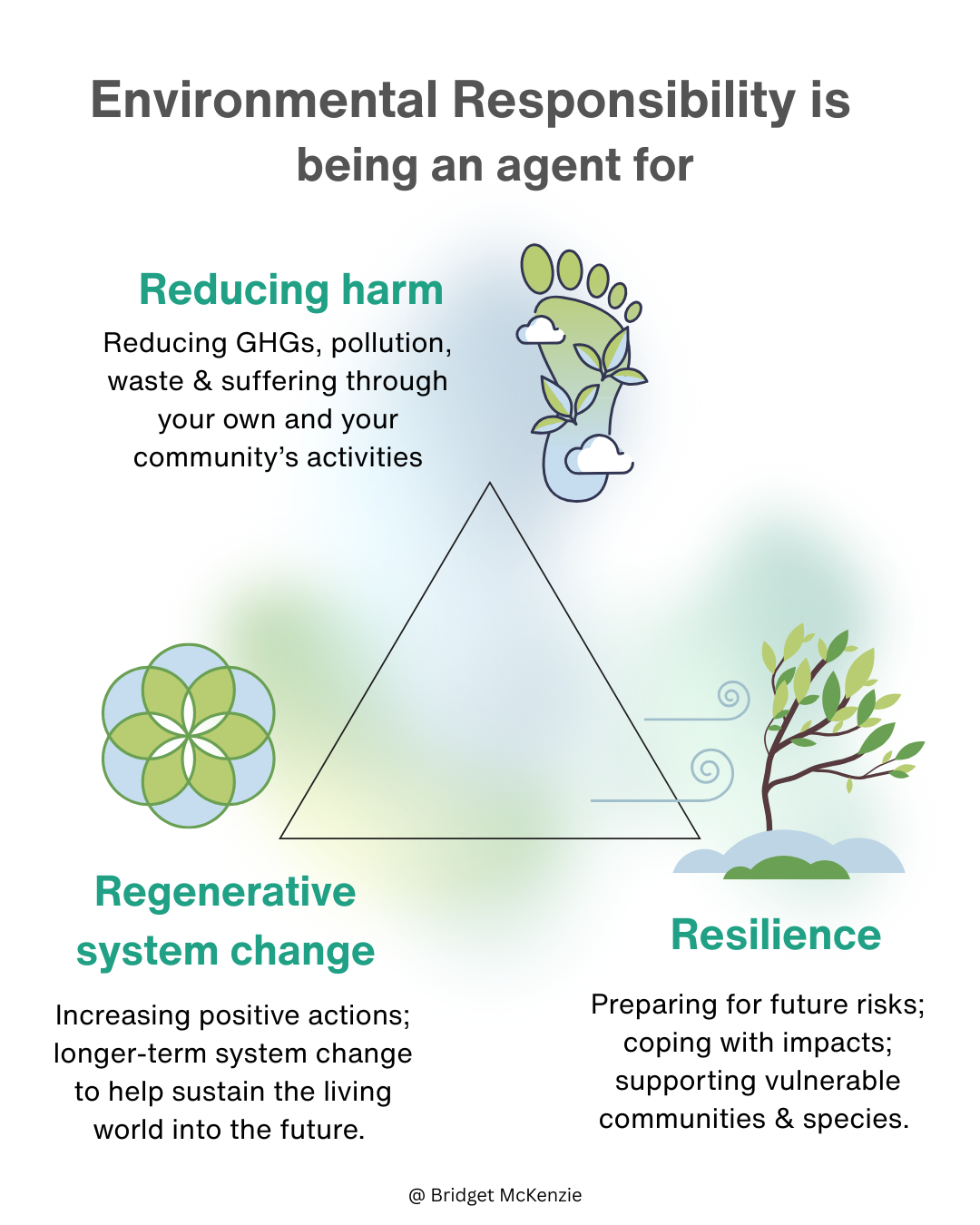
- A declaration that this is an Earth Crisis
- Creativity and culture can be a powerful adaptive and regenerative force
- Creativity enlivens the imagination and generates culture
- Artivism works for the liberation of culture
- We aim for culture change, a stretch beyond behaviour change
- Honour and uplift change-makers dismantling harmful structures
- If creativity is resourced and directed, it can do great things
- No individual can tackle the whole system alone, and collectives need sustenance
A declaration that this is an Earth Crisis
We acknowledge that Earth’s systems are in collapse due to the overshoot of planetary boundaries, with rapid global heating, dangerous pollution and mass species extinction.
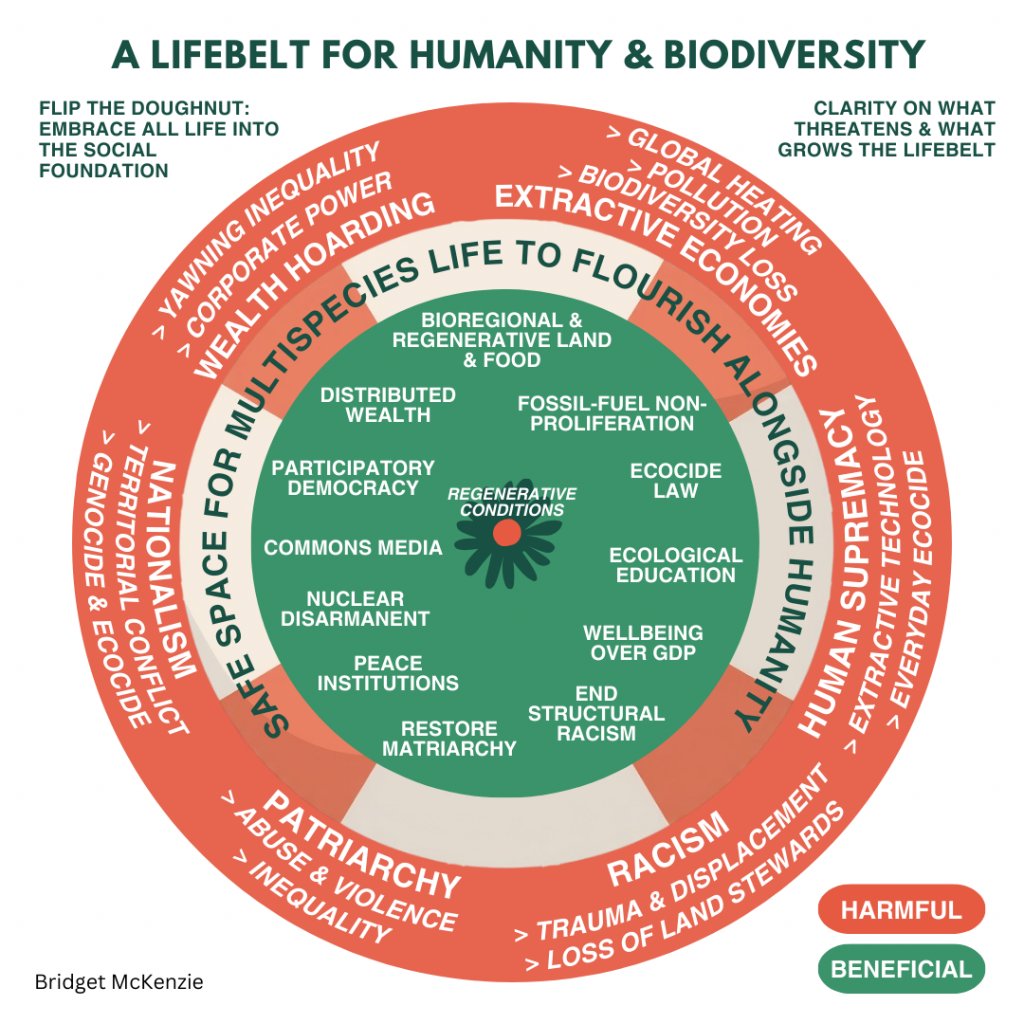
The causes are the dominant structures of power and an extractive economic system, which normalise or encourage ecocide, over-consumption and conflict. The people and species who are suffering the most have contributed least to its causes.
We call for the urgent and necessary transformation of harmful systems, for social justice, and the restoration of life-supporting conditions on this precious planet.
Creativity and culture can be a powerful adaptive and regenerative force
Regenerative cultures have been dominant for more of human history than harmful cultures, so it follows that creativity can still power a ‘Great Turning’.
Creativity is not unique to humans, but it is a feature that our species delights in. Through creativity, modern humans became highly capable in using language and tools, and so could adapt to challenging environments. Indigenous life-ways have held biodiversity as sacred, aiming to sustain provision for living into the future. Yet modern people, especially the most privileged, have affected the global environment in ways that cause extreme suffering and loss.
We call for creativity & culture to be rooted in principles that hold biodiverse life to be sacred, enabling adaptation through reciprocity rather than greed.
Creativity enlivens the imagination and generates culture
We use the terms imagination, creativity and culture precisely to understand how they form a system.
- Imagination is a mental capacity to conceive of what is not present, current or material.
- Through creativity, we enliven the imagination by interpreting feelings, events and ideas, and by playing with forms and materials, through the Arts, conversations or other activities. Creative acts and stories can externalise what is envisioned, illuminate what is wrong, inspire empathy and a sense of justice, and create codes for action.
- In turn, creativity generates cultures, which are the gatherings of stories, artefacts, designs, rituals and lifeways in places, groups of people, or phases of history. These cultures can be organised as canons or through institutions, establishing what we call Culture — with a big C.
We call for clarity on these terms because it helps advocate for the value of Artivism, which combines creativity and activism to bring about a more just and sustainable culture.
Artivism works for the liberation of culture
We know that life-honouring, regenerative culture is vulnerable to attack.
Culture is not neutral, or a good in itself. It can become harmful when made to serve extractive capitalism and the powerful elites who profit from it. Imaginings of regenerative cultures can be curtailed. Creative powers can be diminished by a lack of diversity, freedom and political support. Culture can be used for distraction, repression, competition and aggression.
We call for support to expose these mechanisms and to counter this with a liberated, regenerative culture.
Aim for culture change, a stretch beyond behaviour change
A goal of Artivism is to shift power so that cultural narratives and social resources are more distributed and biocentric, and more matriarchal.
Our goals and types of work are hard to define and measure, and we are battling against a dominant culture that values power and profit. Creativity can generate ideas and novel designs in response to the Earth Crisis, especially when this work is informed by science and experience, and warmed by compassion for all people and all beings. This goes well beyond harnessing creativity to communicate ‘climate messages’ and nudge behaviour changes.
We call for support for all creative and change-making sectors to work in sustained ways, to value system-changing work without predetermined outcomes.
Honour and uplift change-makers dismantling harmful structures
Those people who are dismantling racism, colonialism, patriarchy, war-mongering, wealth-hoarding, and human supremacy over nature, struggle with being attacked, excluded and ignored.
They are often the most affected by the impacts of ecological overshoot and social shortfall, and by inheriting trauma from historic exploitation. They may not have the resources or freedoms to speak truths, to use creative tools, or to make systemic, lasting changes.
We call for anyone with resources to be more generous with budgets, platforms, protections and contracts for such change-makers.
If creativity is resourced and directed, it can do great things
We celebrate the amazing divergence, innovation and hard graft of artists and cultural workers who are reflecting our world and imagining it better.
They can play a multitude of roles in change-making and in holding us together in a changing world. We resist the simplification of these roles into ‘inner work’ or ‘storytelling’. We also recognise that artists and cultural workers are among the least paid and valued professions.
We call for creatives to be nurtured through schemes such as basic income, long-term residencies and open-ended funding, informed by an intersectional approach that recognises barriers to access.
No individual can tackle the whole system alone, and collectives need sustenance
We are doing such challenging work, in a fast-changing context, in under-valued sectors, that we need to organise for mutual support and learning. Many creative people tend to work independently, and often prefer to start a new initiative rather than join something that exists. Many activists can overwork, take risks and assume roles outside their strengths.
We call for increased collaboration and cooperative organising between and within the cultural and change-making sectors.
Please feel free to share this Artivism Manifesto with these requests:
When I share my writing, photos and artworks publicly, I apply a Creative Commons licence CC BY-NC-ND, which for me means:
- that you attribute and link to me (Bridget McKenzie)
- that you do not use it for commercial purposes, and
- that you contact me to let me know how you plan to adapt it.